Welcome to SERES MECH >
Welcome to SERES MECH >
In today’s fast-paced food industry, Quick Service Restaurants (QSRs) are under constant pressure to deliver quality, speed, and value. One often-overlooked factor that plays a crucial role in this equation is packaging. Among the various options available, paper packaging has emerged as a top choice for forward-thinking QSRs. Not only is it environmentally responsible, but it also supports brand identity, operational efficiency, and customer satisfaction. Let’s explore why paper packaging is a smart, practical solution for modern fast food businesses.
When it comes to balancing cost, functionality, and sustainability, paper packaging stands out. Unlike plastic or foam, paper is made from a renewable resource—trees—and breaks down naturally over time. This makes it a more eco-friendly packaging option, especially as consumers and regulators demand greener alternatives. In fact, many cities and countries are banning single-use plastics, pushing restaurants to adopt compostable or recyclable materials. Paper fits perfectly into this shift, helping QSRs stay compliant and socially responsible.
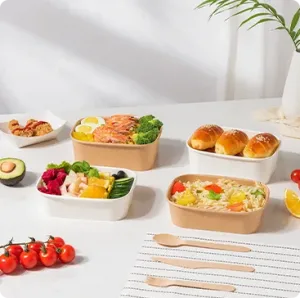
Now that we understand the benefits, let’s look at the most common types of paper packaging used in fast food operations.
Paper bags are a classic choice for packaging burgers, sandwiches, and fries. They are lightweight, easy to carry, and can be made grease-resistant to prevent leaks. Many brands also customize these bags with logos and colors, turning them into mobile advertisements every time a customer walks down the street.
For items like tacos, burritos, and hot dogs, paper wrappers are ideal. They keep food warm, reduce mess, and are simple to dispose of. Custom-printed wrappers also reinforce brand identity with every bite.
Sturdy cardboard boxes are perfect for combo meals or family-sized portions. Their stackable design saves space in delivery bags and kitchen storage. Some boxes even come with built-in compartments to keep different foods separate and fresh.
Coffee and tea are staples in many QSRs. Paper sleeves placed around hot beverage cups provide essential insulation, protecting customers’ hands from burns. These sleeves are small but highly visible, offering another opportunity for branding.
Paperboard trays are versatile and can hold nuggets, fries, or full meals. For healthier options like salads, paper-based salad containers with clear lids allow customers to see their food while keeping it fresh during transport.
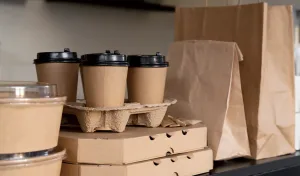
Beyond the basics, paper packaging extends to every part of the customer journey.
If your restaurant offers multiple drinks, paper cup carriers make it easy for customers to carry their order. Similarly, small paper boxes for donuts, pastries, or cakes keep desserts protected and visually appealing.
Even small items like ketchup, napkins, and plastic-free cutlery can be wrapped in paper. These eco-friendly packaging packets are easy to grab, reduce clutter, and align with a sustainable brand image.
One of the most practical advantages of paper packaging is its lightweight nature. Lighter packaging means lower shipping costs. For example, companies like Nestlé and Danone have reduced their packaging weight and saved thousands of tons in materials and fuel. When packaging weighs less, more units can fit on a truck, reducing the number of trips and cutting down on carbon emissions.
This isn’t just good for the planet—it’s good for the bottom line. Lower material use also means lower production costs. While some eco-friendly materials may have a slightly higher upfront cost, the savings in logistics and storage often balance it out. Plus, many consumers are willing to support brands that make sustainable choices.
Today’s customers care about more than just taste—they care about values. Using sustainable paper packaging shows that your QSR is committed to the environment. This builds trust and loyalty, especially among younger, eco-conscious consumers.
Custom printing on paper bags, boxes, and cups turns everyday items into powerful branding tools. Every time a customer carries your food, they’re promoting your brand in public. This kind of organic exposure is both cost-effective and impactful.
To get the most out of paper packaging, it’s important to work with a reliable supplier. Look for a manufacturer that offers:
A trusted partner can help you navigate regulations, suggest the best materials for your menu, and ensure your packaging performs well in real-world conditions.
In summary, paper packaging is more than just a container—it’s a strategic tool that supports sustainability, branding, and efficiency. From paper bags and wrappers to boxes and sleeves, the options are versatile, affordable, and aligned with consumer expectations.
As the food industry continues to evolve, QSRs that adopt eco-friendly packaging solutions will be better positioned for long-term success. By choosing paper, you’re not just serving food—you’re serving a better future.

Copyright © 2024 CIDIHUAKAI Supply Chain Management Co., Ltd., All rights reserved.
Designed by IWONDER


