Welcome to SERES MECH >
Welcome to SERES MECH >
Across global food service markets, the demand for reliable and scalable packaging continues to grow. Fast food chains, takeaway brands, and beverage shops all depend on consistent packaging to maintain efficiency and brand image. At the same time, the shift from plastic to paper packaging for fast food is creating new opportunities for manufacturers. Because of these changes, starting a fast food packaging business has become a practical choice for investors and suppliers. With the right paper packaging equipment and a clear production plan, businesses can enter a market with stable demand and repeat orders.
Before setting up production, it is important to understand what products are required in the fast food industry. Different food categories require different types of packaging, and each has its own specifications.
In most cases, the core product range includes paper cups, paper boxes, paper bags, and paper bowls. Paper cups are widely used for coffee, soft drinks, and takeaway beverages. Paper boxes are essential for burgers, fries, and meal sets. Paper bags are used for takeaway and delivery, while paper bowls are suitable for salads and hot foods. By focusing on these standard products, a new business can quickly align with market demand. At the same time, offering multiple product types increases the ability to serve different customers within the fast food supply chain.

When moving into production, equipment selection becomes a key decision. The type and capacity of machines directly affect output, product quality, and operating cost.
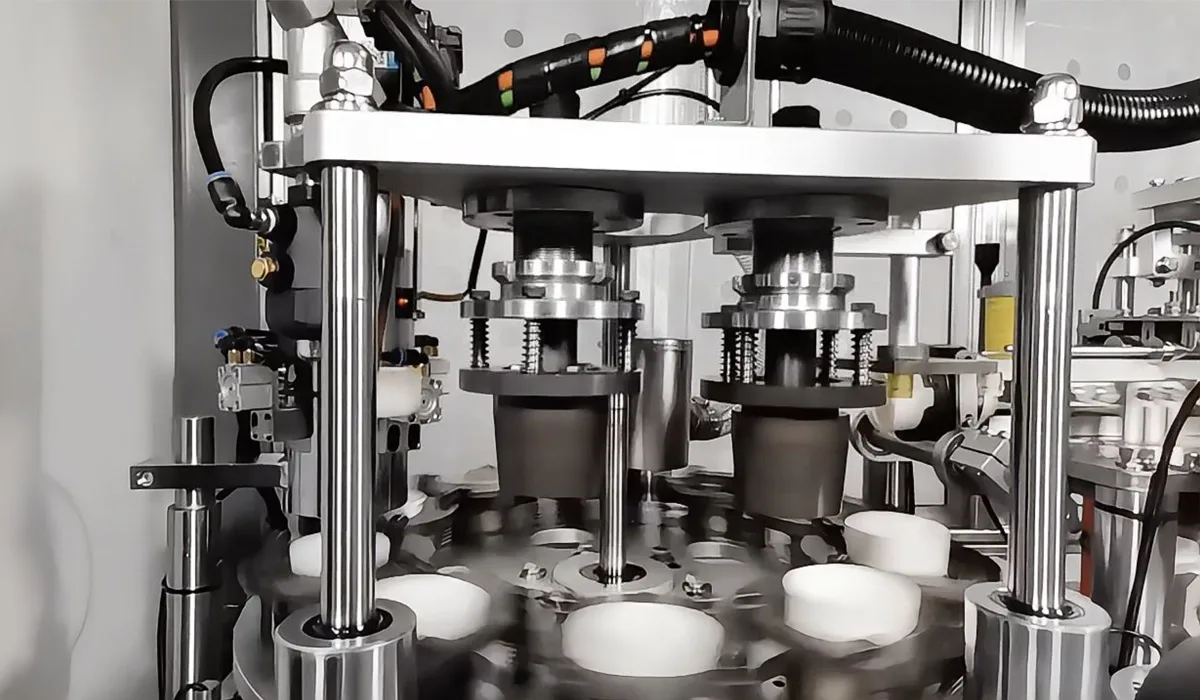
A typical paper packaging production line includes several main machines. Paper cup machines are used to form beverage cups in large quantities. Paper box machines handle food containers such as lunch boxes and burger boxes. Paper bag machines produce takeaway bags with different sizes and structures. In addition, paper straw machines can be included to expand the product range. Alongside these machines, supporting equipment such as printing machines, die-cutting machines, laminating machines, and packaging machines help complete the production process. With proper configuration, the entire system can operate smoothly and deliver consistent output.
While equipment is essential, raw materials are equally important for product performance. Most paper packaging for fast food uses food-grade paperboard combined with coatings that provide resistance to oil and moisture.
Common options include PE-coated paper and PLA-coated paper. These materials help prevent leakage and maintain structural strength during use. Selecting the right material also ensures compatibility with forming machines, which reduces production problems. At the same time, building a stable supply chain is necessary for long-term operation. Reliable material sourcing helps maintain consistent quality and avoids production delays. When materials and machines are well matched, overall efficiency improves significantly.
After selecting equipment and materials, the next step is organizing the production environment. A clear factory layout helps improve workflow and reduce unnecessary movement.
In general, production follows a sequence that includes printing, die-cutting, forming, and packaging. Each stage should be arranged logically to support continuous operation. Automated systems can further improve efficiency by reducing manual handling and ensuring consistent product quality. With a well-planned paper packaging production line, businesses can increase output while maintaining stable performance. This is especially important when serving fast food chains that require large and consistent orders.
As production begins, maintaining quality becomes a priority. Fast food packaging must meet strict requirements for safety, durability, and hygiene. Quality control starts with raw material inspection and continues through each stage of production. Monitoring forming accuracy, sealing strength, and coating performance helps ensure that finished products meet customer expectations. In addition, using food-grade materials and proper production standards supports compliance with international markets. By maintaining consistent quality, businesses can build long-term relationships with customers and strengthen their position in the market.
While production efficiency is important, cost management plays a key role in overall profitability. A successful fast food packaging business requires a clear understanding of cost structure. Major cost components include raw materials, equipment investment, labor, and logistics. Improving efficiency in each area helps reduce overall expenses. For example, automated machines can lower labor costs, while optimized material usage reduces waste. In addition, a stable supply chain minimizes unexpected costs caused by delays or material shortages. With proper planning, businesses can maintain competitive pricing while protecting profit margins.
As operations grow, managing multiple suppliers can become complex. Equipment providers, raw material suppliers, and product processors often operate separately, which increases communication and coordination challenges. For this reason, many businesses are turning to one-stop paper packaging solutions. This model integrates equipment supply, raw material sourcing, and production support into a single system. By working with one partner, companies can simplify procurement and improve consistency. This approach also reduces the risk of mismatched materials and machines, which is a common issue in fragmented supply chains. As a result, production becomes more stable and easier to manage.

During the startup phase, businesses may face challenges such as selecting the right equipment, maintaining stable material supply, and achieving consistent production quality. These challenges can be addressed by choosing experienced suppliers and adopting proven production systems. Technical support, training, and after-sales service also play an important role in ensuring smooth operation. With the right support, businesses can avoid common mistakes and accelerate their growth.
Building a successful fast food packaging business requires more than just purchasing machines. It involves selecting the right paper packaging equipment, securing stable raw materials, organizing an efficient production line, and maintaining consistent quality. By developing a complete and integrated system, businesses can meet the demands of fast food chains and establish a reliable supply capability. As the market continues to grow, companies with strong production and supply chain management will have a clear advantage.
For companies looking to enter or expand in this field, Seresmech provides comprehensive solutions covering paper cup machines, paper box machines, paper bag machines, and complete paper packaging production line support. With strong technical expertise and an integrated supply chain system, Seresmech helps customers build efficient, stable, and scalable paper packaging businesses for the global fast food industry.

Copyright © 2024 CIDIHUAKAI Supply Chain Management Co., Ltd., All rights reserved.
Designed by IWONDER